· Dates: 6/7-6/12,8/16-8/21
· Max. Size: 8
· Tuition: $1650
Take Your Canoe And Guiding Skills To The Next Level
Course Calendar Register Now
This year we’re offering something new; a dedicated whitewater canoe poling and paddling class. The second week in June is usually our week to canoe the Bonaventure river in Quebec, but neither we or anyone else wants to be crossing the border right now. So we’re pivoting and introducing a new program that fills that gap of an advanced whitewater training course for both paddling and poling, with some prime-season fly fishing thrown in.
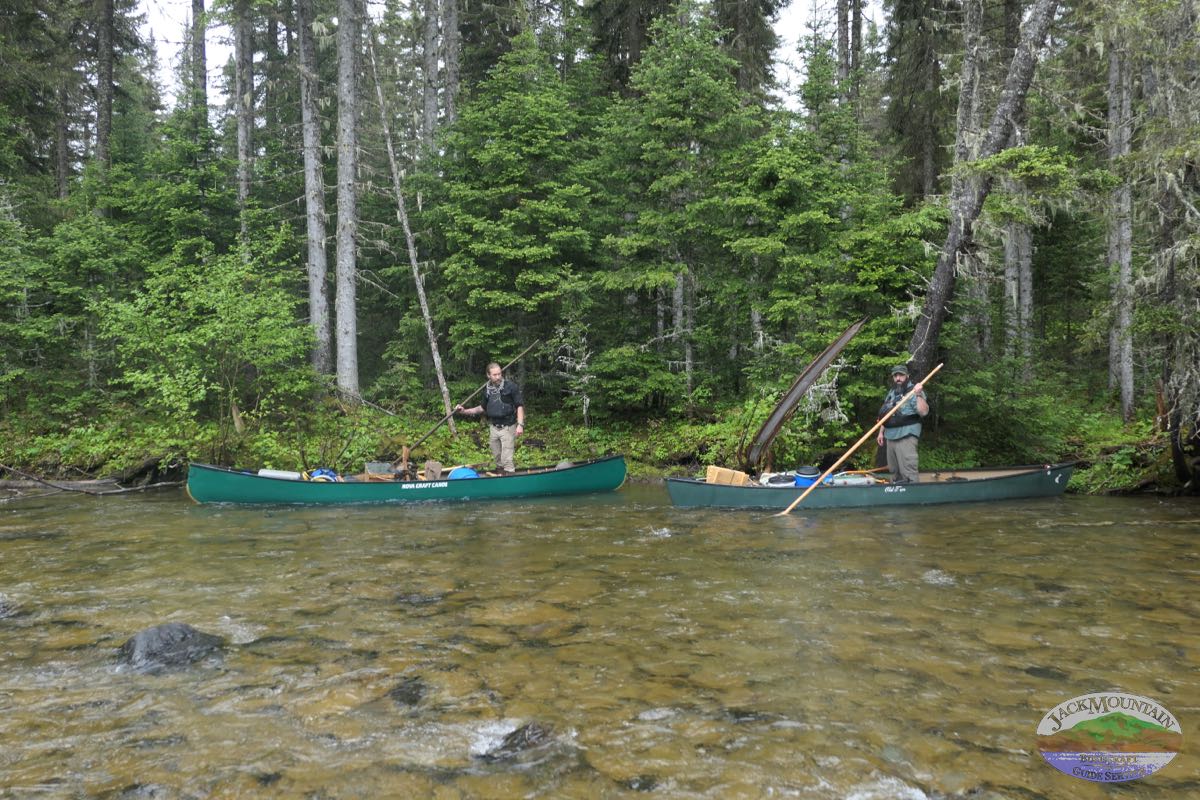
The plan is to head into the woods and basecamp at Churchill Dam on the Allagash, and run Chase rapids every day, as well as work on whitewater poling and paddling skills, canoe rescue, fly fishing skills, other camp skills, and learn about the history of the area.
If you want to see what our classroom for this course looks like, check out this video from The JMB Vlog 166.
Chase Rapids, Allagash Wilderness Waterway
We’ll meet Sunday afternoon at the field school, do a gear shake-down and pack the trailer and van for the trip into the woods. Monday morning we’ll head into the North Maine Woods and drive to Churchill Dam on the Allagash Wilderness Waterway. Just above the dam we can go over paddle strokes in the lake, and the first rip below the dam is a great place to practice moving water poling skills, as well as a good fishing hole. We will work through our entire advanced canoeing curriculum.
The plan for the week is to get a lot of reps running the most challenging portion of the Allagash Wilderness Waterway; from Churchill Dam to Bisonette Bridge, also known as Chase Rapids. The most challenging section is the first 1.5 miles. We’ll run the drops, pole back up, and run them again. The goal is to really learn the river, and how to use the currents and eddies to work for us, not against us.
This is the most consistent bit of whitewater around as it is controlled by a dam, making it reliably runnable even during low-water times of year. The water is rated as a strong class 2. It is fast and shallow, with big rocks and some big waves.
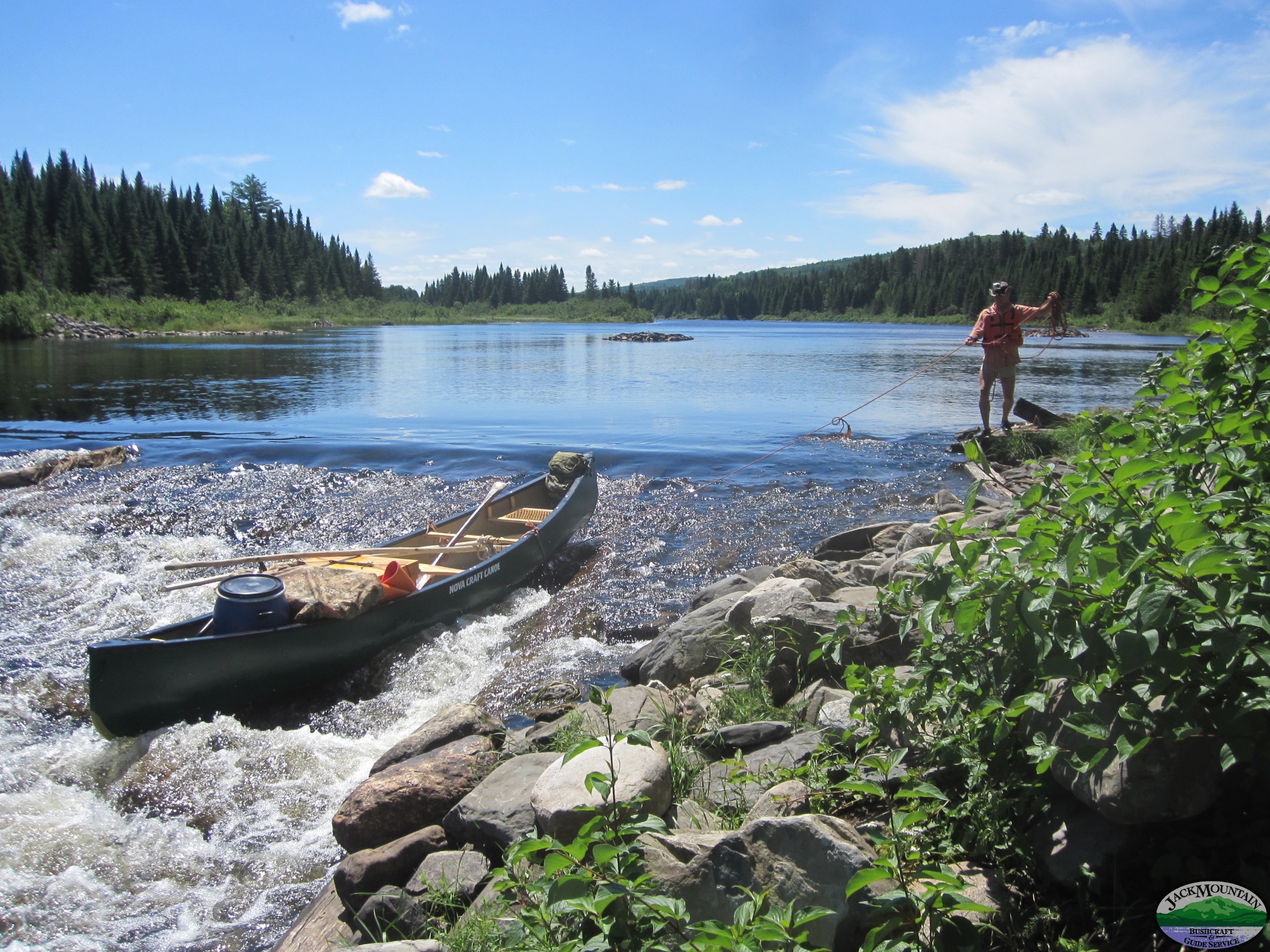
Two Types Of Poling: Light And Heavy
It’s been my unpublished belief for a number of years that there are 2 different skill sets when it comes to poling canoes: light and heavy. Light is a boat that is empty except for the person poling. This is where we start, because you are often able to muscle the boat around the current as long as you don’t get your pole stuck or fall out of the boat. The more advanced poling, where experienced guides shine is with a heavy boat. This means fully loaded with gear and/or passenger(s). Here we can’t just muscle our way through a rapid, and the nuance of the current and eddy lines come into play to do the work for you. All the details matter, and it is game of microcorrections. Understanding this is our goal.
In a light boat one can side slip across a fast stretch of water. In a heavy boat, you have to ferry with an appropriate angle to pull it off.
We’ll start the week light, and progress to heavy.
In addition to the whitewater portion of the course, we’ll have the opportunity to fish this section of river with it’s fast current and deep pools.
Side Note: At the bottom of Chase Rapids is a large pool called Big Eddy. For people who have trouble in the rapids, it’s where they stop and get situated at the bottom of the rapids. A while back a group of us were poling into Big Eddy where there were already three canoes. Once contained a father and young son. As we floated near them the dad asked if we had found a wallet floating in the water. He said we could keep the cash (he said around $600), he just wanted the cards. I told him I didn’t see anything. I wouldn’t have kept the cash (code of the woods and all), but the next trip down I did bring a diving mask and scouted out the bottom of Big Eddy. All I found was an old whiskey bottle full of river water. Someone had covered in duct tape to make it less likely to break (my theory). Anyway, I plan to bring a diving mask on this trip just in case!
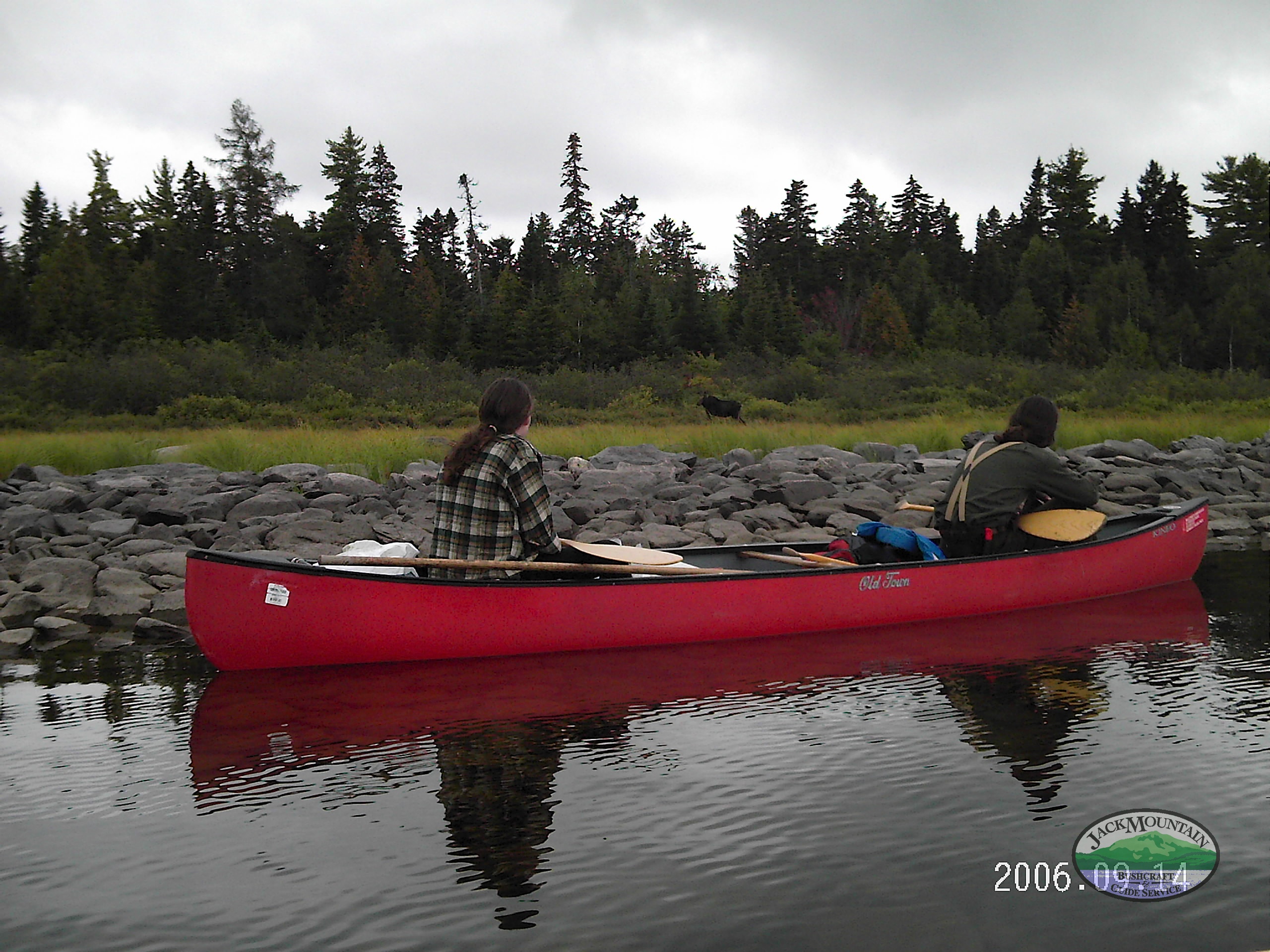
Intended Learning Outcomes: A dramatic increase in canoe skill, confidence and experience for guides, trip leaders and solo travelers. Optional, a huge leap forward in fly casting and fishing skills.
Who This Is For: People who have a solid skill set of both paddling and poling canoes, especially those who have completed our Engagé levels 1 and 2 certifications.
What’s Included In The Tuition: All instruction, NMW and Allagash WWW fees, shuttles, group gear, camping fees, canoes, paddles and poles.
What’s Not Included In The Tuition: Food, fishing gear, Personal Flotation Device (we have a few extras, but they are not comfortable so we recommend you get your own), personal camping gear.
Some Nuts And Bolts: Because we’ll be basecamped at a popular spot, we won’t be cooking every meal over a fire because we’ll have to walk a ways for good firewood. So we’ll be brining a propane camp stove. There are outhouses at the campsite,
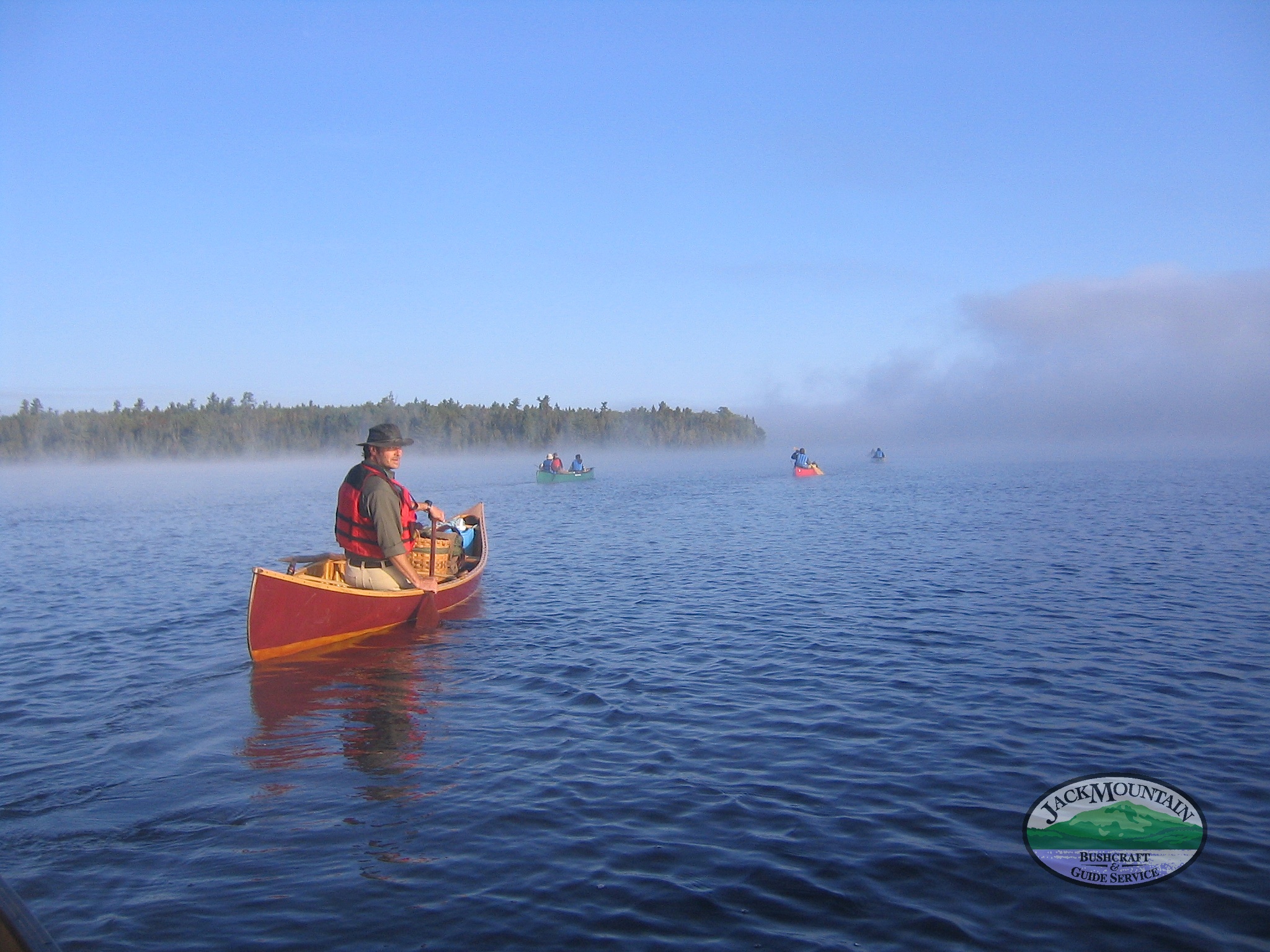
There are vast differences in approach to the effective use of canoes. Some of these are regional, while others stem from the homogenization of techniques by national organizations. Our approach looks nothing like what you’ll see from the big organizations. We maintain and teach the traditional methods of Maine Guide canoeing because they work as well now as they have for centuries.
Recommended Reading
- 9 Mile Bridge — Helen Hamlin
- My Life In The Maine Woods — Annette Jackson
- The Allagash — Lew Deitz
Our Teaching And Expedition Experience
Since beginning full-time operation in 1999, we’ve taught hundreds of people how to handle loaded freight canoes and how to paddle, pole and line. We’ve run day-long, week-long and month-long expeditions, as well as numerous skills clinics. We also make our own paddles, poles, and ropes used for lining.